


Using the Gender Continuum to Assess UNICEF Gender Policy and Gender Action Plans
Conference | Online
-
Organized by:
UNICEF
- In partnership with: Social Development Direct (SDDirect)
About the Event
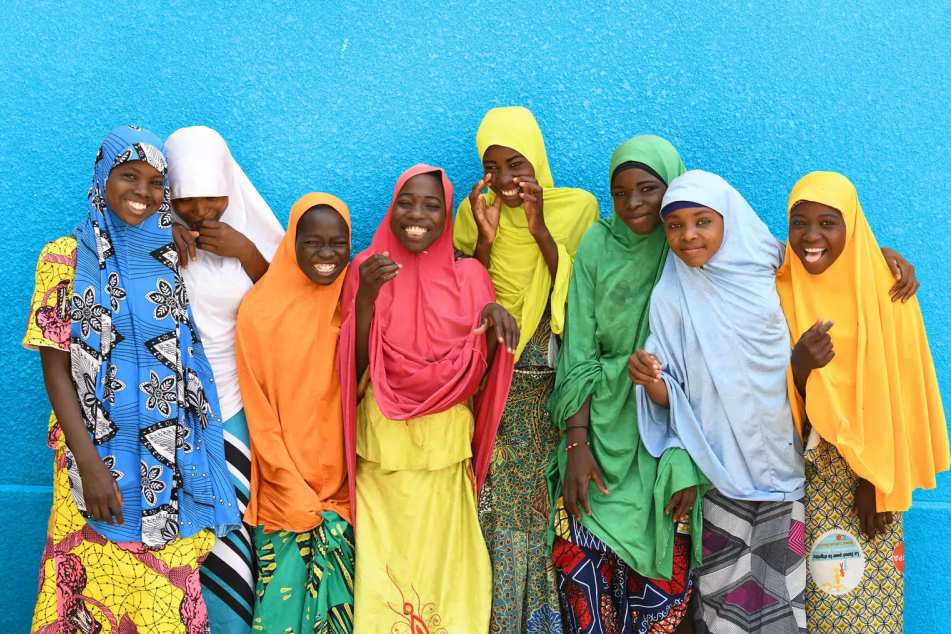
While significant progress has been made, achieving the SDG 5 targets for gender equality by 2030 requires sustained efforts to address persistent challenges and drive transformative change.
UNICEF is committed to advancing gender equity both internally and through its sectoral programmes, guided by its Gender Policy and Gender Action Plans. The recent evaluation of these policies applied the gender continuum framework to assess UNICEF’s progress. This approach highlights UNICEF’s shift from traditional gender mainstreaming toward a more comprehensive strategy aimed at achieving transformative gender equality results, including changes in social norms and power dynamics. The evaluation underscores UNICEF’s commitment to gender equity while emphasizing the need for adaptive, inclusive strategies that respond to the complexities of gender in different contexts.
The event will begin with a presentation by Ms. Alix Clark and/or Ms. Emma Haegeman from SDDirect, who will introduce the gender continuum methodology used in the evaluation. Following this, Ms. Erica Mattellone will present key findings, illustrating how the gender continuum framework helped capture UNICEF’s progress in advancing gender equality.
UNICEF is committed to advancing gender equity both internally and through its sectoral programmes, guided by its Gender Policy and Gender Action Plans. The recent evaluation of these policies applied the gender continuum framework to assess UNICEF’s progress. This approach highlights UNICEF’s shift from traditional gender mainstreaming toward a more comprehensive strategy aimed at achieving transformative gender equality results, including changes in social norms and power dynamics. The evaluation underscores UNICEF’s commitment to gender equity while emphasizing the need for adaptive, inclusive strategies that respond to the complexities of gender in different contexts.
The event will begin with a presentation by Ms. Alix Clark and/or Ms. Emma Haegeman from SDDirect, who will introduce the gender continuum methodology used in the evaluation. Following this, Ms. Erica Mattellone will present key findings, illustrating how the gender continuum framework helped capture UNICEF’s progress in advancing gender equality.
Speakers
| Nome | Título | Biography |
|---|---|---|
| Erica Mattellone | Senior Evaluation Specialist and Evaluation Manager, Evaluation of UNICEF Gender Policy and Gender Action Plans, UNICEF Evaluation Office | Erica Mattellone is a highly experienced social scientist with over 20 years of experience in international development and humanitarian aid. She currently serves as a Senior Evaluation Specialist at UNICEF, leading global evaluations and evidence syntheses to enhance organizational effectiveness. |
| Alix Clark and/or Emma Haegeman | Deputy Team Leader, Evaluation of UNICEF Gender Policy and Gender Action Plans, SDDirect | Alix Clark leads the monitoring, evaluation and learning (MEL) portfolio at SDDirect and has 10 years of experience in social development, working across a range of thematic areas. Emma Haegeman is the Head of the Governance and Inclusive Societies Portfolio at SDDirect. |
Resumo
The gender continuum is usually used in programming and strategy development, however, it can also be used in evaluation. In this session, we presented how we used gender continuum in all the three phases - desk review, primary data collection, and report writing to evaluate the UNICEF Gender Policy and Gender Action Plans (GAP). Through this and other tools we used, we found that the UNICEF Gender Policy clearly established transformative ambition on gender equality to address social norms and power imbalances. However, Gender Action Plans do not always support equally bold and consistent vision. In UNICEF’s programmes, the approach used in gender integration is more responsive than transformative.
UNICEF has prepared a management response to address the recommendations made by the evaluation and is in the process of developing its fourth Gender Action Plan.