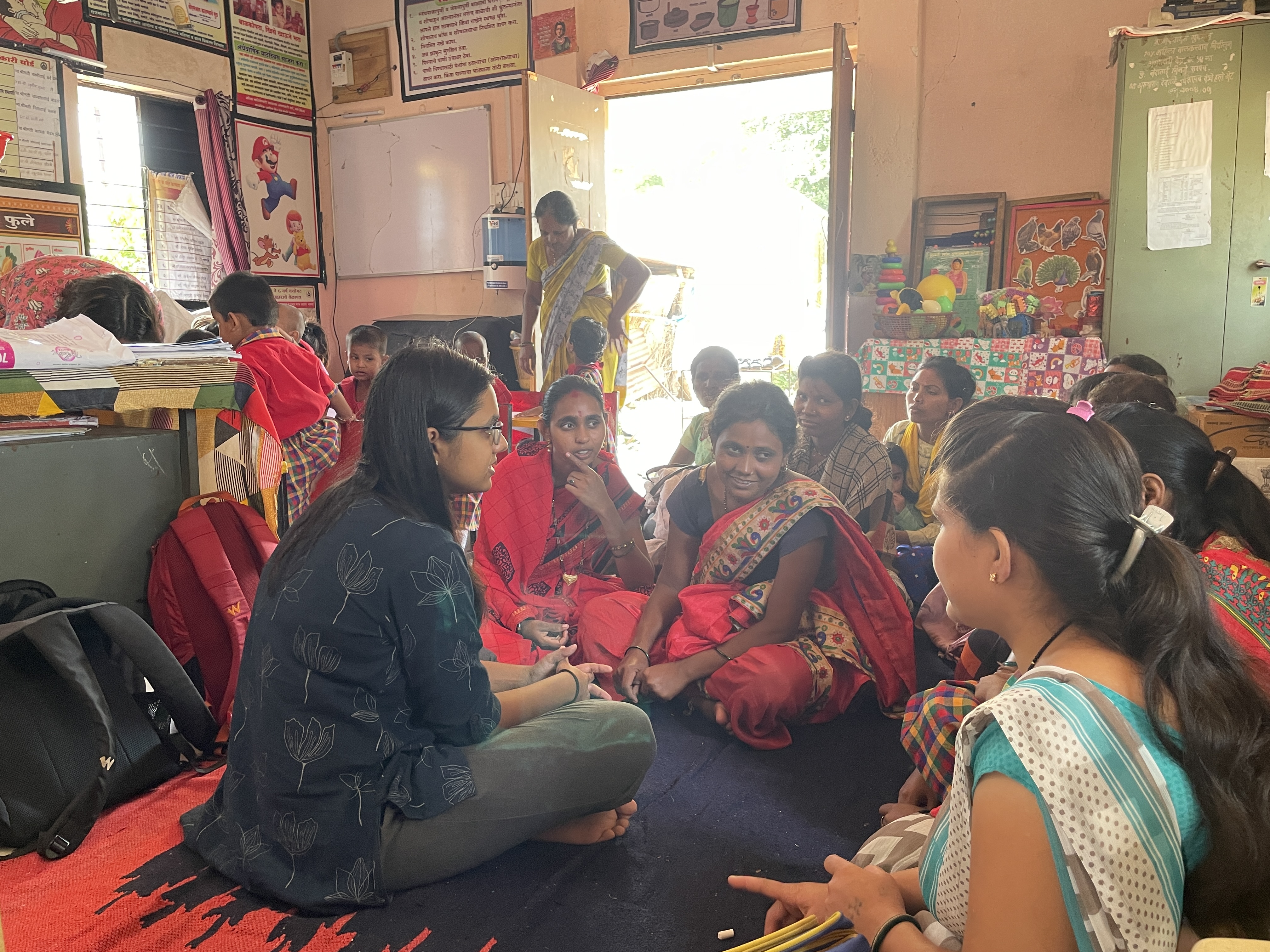
Empowering Early Childhood Education: Insights and Strategies from Rocket Learning's Cross-Sectional Survey
Master Class | Online
-
Organizado por:
Rocket Learning
Sobre o evento

Rocket Learning's pioneering cross-sectional survey in Solapur (Maharashtra) and Chandigarh, engaging 1194 children below 6 and their households, provides essential insights to inform Early Childhood Care and Education (ECCE) policies and programs. Employing a PPS sampling method across urban and rural areas, the study highlights the ongoing need for evidence-based ECCE strategies. Rocket Learning's presentation will offer insights into tools for student learning, teacher engagement, and parental involvement to foster early childhood development nationwide.
Orador/a
| Nome | Título | Biography |
|---|---|---|
| Namya Mahajan | CoFounder | Namya, co-founder of Rocket Learning, advocates for global policy reforms in Early Childhood Education, contributing to India's curriculum committee and supporting initiatives like "Poshan Bhi Padhai Bhi." Recognized in Forbes 30 under 30 Asia 2022, Namya mentors young social entrepreneurs and champions women and POCs. Formerly at McKinsey & Co, she holds degrees from HBS and Harvard. |
| Bilal Afroz | Lead - Monitoring and Evaluation | Bilal, a seasoned impact evaluation professional, leads Rocket Learning's M&E team. He excels in using data to address challenges, shape strategies, drive implementation, and influence policy, pioneering innovative methods and technology in program evaluation. |
Resumo
Our findings emphasize the significance of parental education and engagement in enhancing children's development. Interventions aimed at educating parents can greatly improve developmental outcomes. The strong link between dietary diversity and developmental readiness underscores the importance of incorporating nutritional interventions into ECCE programs, particularly in areas with limited access to diverse foods. Addressing urban-rural disparities through targeted developmental programs is crucial to ensuring equitable progress across regions. Additionally, interventions must be designed with sensitivity to gender and socioeconomic inequalities to effectively support the developmental needs of all children.
Our recommendations for improving child development outcomes in India include enhancing parental education through community initiatives, strengthening ECCE programs in rural areas, expanding support for ICDS and Anganwadi centers, tailoring policies to local needs, and leveraging digital technology for scalable educational solutions. These strategic actions can ensure that all children, regardless of background, have access to necessary developmental tools and support.
Image Gallery